

If you want your website to rank higher on search engines, understanding backlinks is key. But how do you know which backlinks are helping your site and which ones might be holding you back?
That’s where backlink analysis comes in. By learning how to do backlink analysis, you gain clear insight into your site’s link profile and can make smart decisions to boost your online presence. You’ll discover simple, step-by-step methods to analyze backlinks effectively—so you can improve your SEO and get ahead of your competition.
Ready to unlock the secrets behind your backlinks? Let’s dive in.
Why Backlink Analysis Matters
Backlink analysis matters because backlinks show how other websites view your site. They act like votes of confidence. Search engines use these votes to rank your pages higher or lower.
Understanding backlinks helps improve your website’s authority. It also reveals which links bring the most value. This way, you can focus on quality links that boost your rankings.
Checking backlinks also helps spot harmful links. Bad links can hurt your site’s reputation and ranking. Removing or disavowing these links protects your website.
Improves Search Engine Rankings
Search engines trust websites with strong backlinks. High-quality backlinks signal that your content is reliable. This increases your chances of ranking higher in search results.
Identifies High-quality Link Sources
Backlink analysis shows which sites link to you. You can find trusted sources that bring valuable traffic. Targeting these sites helps build more strong backlinks.
Detects Harmful Or Spammy Links
Some backlinks can lower your site’s ranking. Spammy or low-quality links raise red flags with search engines. Finding these links helps protect your site’s reputation.
Supports Competitor Research
Analyzing competitor backlinks reveals their link-building strategies. You can discover new sites to approach for backlinks. This insight helps improve your own backlink profile.
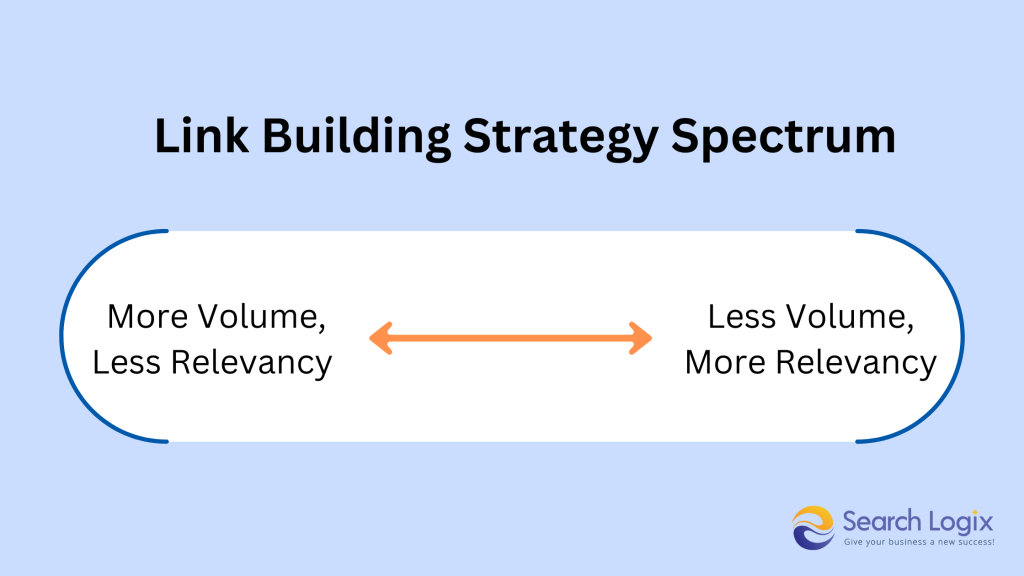
Credit: www.esearchlogix.com
Key Metrics To Track
Backlink analysis helps you understand the quality and impact of links pointing to your site. Tracking the right metrics is vital for effective analysis. These key metrics reveal the strength, relevance, and safety of your backlinks. Focus on them to improve your SEO strategy.
Domain Authority
Domain Authority (DA) measures the strength of a website’s domain. It scores from 1 to 100. Higher scores mean more trustworthy and powerful domains. Links from high DA sites boost your site’s ranking. Check the DA of each backlink source to assess its value.
Anchor Text
Anchor text is the clickable text in a link. It shows what the linked page is about. Using relevant and varied anchor texts helps search engines understand your content. Avoid overusing exact-match keywords. Natural and diverse anchor texts improve SEO and user experience.
Link Relevance
Link relevance refers to how related the linking site is to your niche. Relevant links carry more SEO weight. They drive targeted traffic and enhance credibility. Analyze if the backlink comes from a site in your industry or topic area. Irrelevant links can harm your rankings.
Spam Score
Spam Score indicates the risk level of a backlink. It shows how likely a link comes from a spammy or low-quality site. High spam scores can hurt your SEO. Monitor this score to avoid bad backlinks. Remove or disavow links with high spam scores to keep your site safe.
Tools For Backlink Analysis
Backlink analysis helps you understand which sites link to your website. It shows the quality and quantity of these links. Using the right tools makes this process easier and faster. These tools provide data to improve your SEO strategy and boost your site’s ranking.
Free Tools
Free backlink tools offer basic features suitable for beginners. They allow checking backlinks, domain authority, and link sources. Examples include Google Search Console and Ubersuggest. These tools help spot harmful links and find new link opportunities. They have limits but give useful insights without cost.
Paid Tools
Paid tools provide deeper analysis and more data. They show detailed link profiles, anchor text, and competitor backlinks. Popular options are Ahrefs, SEMrush, and Moz Pro. These tools update data frequently and offer reports. They help identify strong backlinks and track link building progress.
Choosing The Right Tool
Select a tool based on your needs and budget. Beginners may start with free tools to learn basics. Advanced users benefit from paid tools with full features. Check if the tool covers your website size and industry. Ease of use and customer support also matter. The right tool saves time and improves link analysis results.
Identifying Quality Backlinks
Identifying quality backlinks is a key step in backlink analysis. It helps improve your website’s authority and search ranking. Not all backlinks are equal. Some links can boost your SEO, while others may harm it. Focus on finding links that come from trusted, relevant sites. This process involves checking the source, spotting harmful links, and ensuring a mix of link types.
Evaluating Link Sources
Check the origin of each backlink. Links from high-authority websites carry more weight. Look for sites related to your niche or industry. These links show search engines your site is relevant. Avoid links from unknown or suspicious websites. They might lower your site’s trust.
Spotting Toxic Links
Toxic links come from spammy or low-quality sites. They can hurt your rankings and lead to penalties. Watch for links from link farms, adult sites, or unrelated sources. Use tools to detect these harmful backlinks quickly. Remove or disavow toxic links to protect your SEO.
Assessing Link Diversity
Variety in backlinks is important. Aim for links from different types of websites. Include blogs, news sites, forums, and directories. Diverse links look natural to search engines. Avoid relying on just one type of backlink. This balance helps maintain steady SEO growth.
Analyzing Competitor Backlinks
Analyzing competitor backlinks is key to improving your website’s SEO. This process helps reveal where competitors get their links. It also shows what strategies work in your niche. By studying competitor backlinks, you can find new link sources and avoid common errors. This boosts your link-building efforts and grows your site’s authority.
Finding Competitor Link Profiles
Start by identifying your top competitors. Use SEO tools to explore their backlink profiles. Look for websites linking to them frequently. Check the quality and relevance of these links. Focus on links from sites with good authority. This gives ideas about where your competitors get their SEO power.
Discovering Link Opportunities
Analyze competitor backlinks for potential link sources. Find websites that accept guest posts or collaborations. Note blogs and directories relevant to your niche. Reach out to these sites with your content offers. This expands your link network and drives traffic. Use competitor data to target high-value link opportunities.
Avoiding Competitor Mistakes
Check if competitors have low-quality or spammy backlinks. Avoid building links from such sources. Poor links can harm your site’s ranking. Learn from their errors to keep your profile clean. Focus on earning links from trusted and relevant sites. This protects your website’s SEO health and reputation.

Credit: www.jamilhosain.com
Strategies To Build Strong Backlinks
Building strong backlinks is essential for improving your website’s authority and search rankings. Effective strategies focus on quality and relevance. These approaches help you gain links that bring real value.
Start by creating connections with other sites. Share useful content and offer unique insights. This builds trust and encourages others to link to your pages.
Guest Posting
Guest posting means writing articles for other websites. Choose sites related to your niche. Provide helpful, original content that their readers enjoy. Include a link back to your site naturally. This boosts your visibility and gains quality backlinks.
Content Marketing
Create valuable content that attracts links naturally. Use blogs, infographics, or videos. Focus on topics your audience cares about. Share your content on social media and forums. High-quality content earns backlinks from others who find it useful.
Outreach Campaigns
Reach out to website owners and bloggers. Introduce your content or services politely. Explain why your link adds value to their site. Personalize each message to increase chances of success. Consistent outreach builds strong relationships and backlinks.
Broken Link Building
Find broken links on websites in your niche. Offer your content as a replacement for those broken links. This helps site owners fix errors and benefits you with a backlink. Use tools to identify broken links quickly and efficiently.
Monitoring Backlink Profile Regularly
Monitoring your backlink profile regularly is essential for maintaining a strong SEO presence. Backlinks influence your site’s authority and search rankings. Keeping track helps you catch new opportunities and avoid potential risks. It also helps you understand how your link-building efforts perform over time.
Tracking New Links
New backlinks can improve your site’s visibility. Check your backlink profile often using SEO tools. Identify who is linking to your website and the quality of those links. This helps you spot valuable links and discover new traffic sources. Prompt tracking ensures you do not miss any important updates.
Disavowing Harmful Links
Some backlinks can harm your website’s ranking. Low-quality or spammy links can trigger penalties from search engines. Identify these harmful links quickly and use the disavow tool to remove their effect. Regular checks keep your backlink profile clean and safe. Protect your site’s reputation by acting fast against bad links.
Reporting And Analysis
Consistent reporting reveals patterns in your backlink profile. Analyze trends to see which strategies work best. Use reports to adjust your link-building plans and focus on high-quality sources. Detailed analysis helps improve your SEO efforts over time. Share reports with your team for better decision-making.
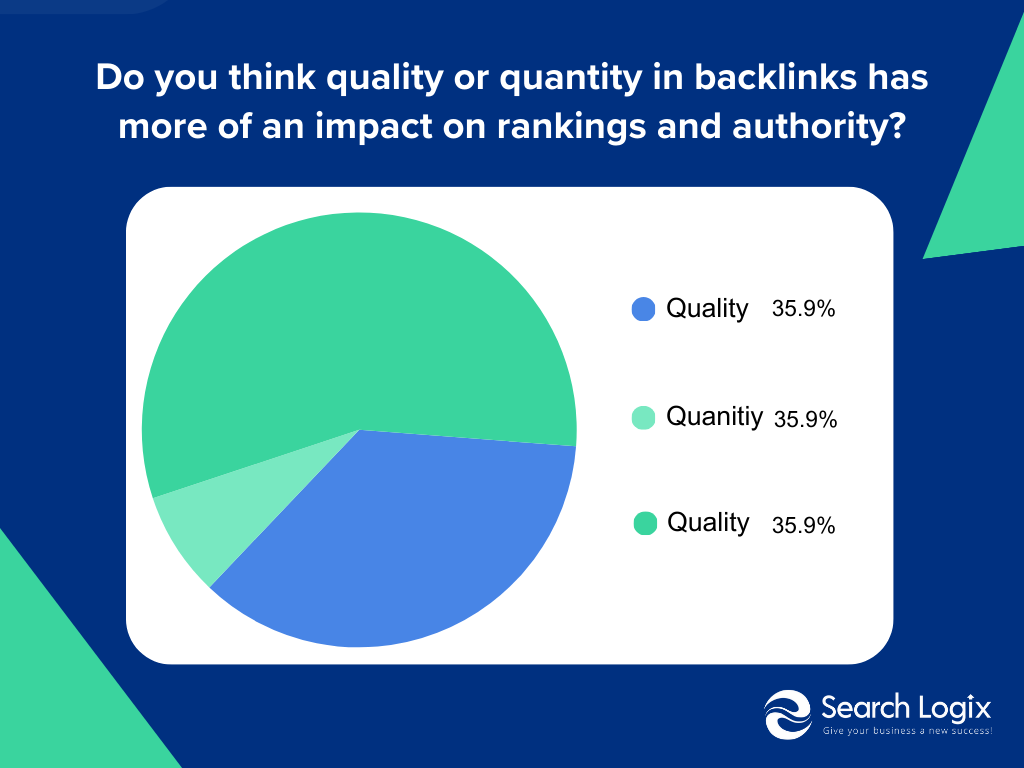
Credit: www.esearchlogix.com
Frequently Asked Questions
What Is Backlink Analysis In Seo?
Backlink analysis evaluates the quality and quantity of links pointing to your website. It helps improve search rankings and identify harmful links.
How Do I Identify Quality Backlinks?
Quality backlinks come from authoritative, relevant sites with high traffic. Check domain authority, relevance, and link context during analysis.
Why Is Backlink Analysis Important For Websites?
It helps boost SEO by finding strong links and removing toxic ones. Regular analysis improves site credibility and organic traffic.
Which Tools Are Best For Backlink Analysis?
Popular tools include Ahrefs, SEMrush, Moz, and Majestic. These tools provide detailed link profiles and competitor backlink insights.
Conclusion
Backlink analysis helps you see which sites link to yours. It shows which links bring real value. Use tools to check link quality and relevance. Fix bad links and build more strong ones. This keeps your website healthy and trusted.
Regular checks improve your site’s search ranking. Start with simple steps and grow your skills. Keep learning and updating your backlink strategy. Your website will gain more visitors over time. Easy to do, but very important for success.


