
Last updated: September 2025 • Reading time: ~12 min
Staying on top of your fitness has never been easier. The latest trackers combine health monitoring, gym-friendly features, and smart integrations. In this guide, we review the best fitness trackers of 2025 with practical pros, cons, and buying tips.
Best AI Lifetime Deals for 2025: A Complete Guide to the Top Lifetime Offers
Quick Picks (TL;DR)
- Best Overall: Apple Watch Series 10
- Best Budget: Xiaomi Mi Band 9
- Best Advanced Metrics: Garmin Fenix 8
- Best for Gym Workouts: Whoop 5.0
- Best for Sleep Tracking: Oura Ring Gen 4
- Best Hybrid Style: Withings ScanWatch Horizon
Table of Contents
- Why fitness trackers matter
- Best overall options with reviews
- Comparison table
- How to choose a fitness tracker (5 rules)
- Methodology & sources
- Key takeaways
- FAQs
- Conclusion + CTA
Why Fitness Trackers Matter
Fitness trackers help you monitor activity, heart rate, and recovery. They also give feedback on sleep, stress, and overall wellness. For small changes in lifestyle, accurate trackers provide motivation and insights that improve consistency.
Best Overall: Apple Watch Series 10
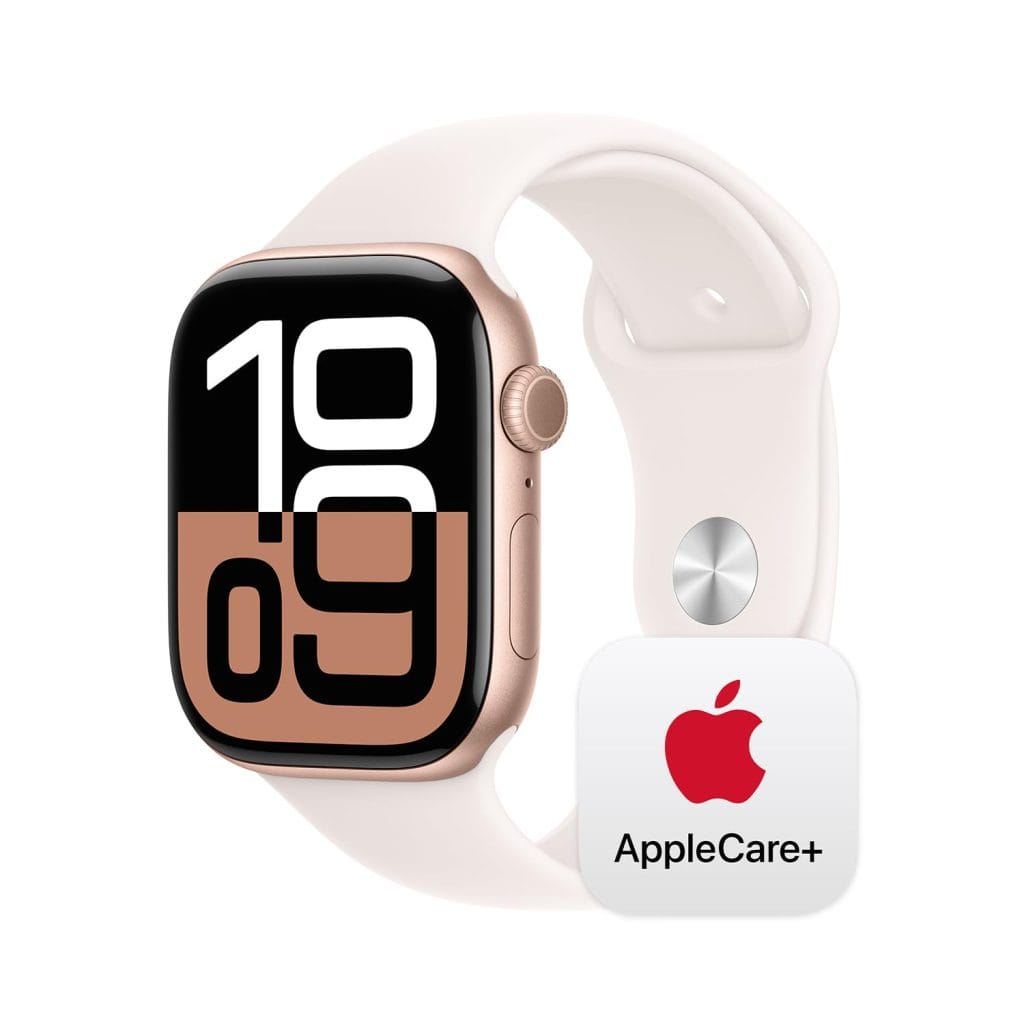
Summary: Apple’s 2025 model integrates ECG, oxygen monitoring, and AI-based coaching. It syncs seamlessly with iPhone and Apple Fitness+.
Pros
- Accurate health sensors
- Vast app ecosystem
- Strong integration with iOS
Cons
- Premium price
- Shorter battery life (≈2 days)
Pricing: From $359
When to pick: iPhone users who want an all-in-one device.
When to skip: If you need long battery life.
Alternatives:
- Samsung Galaxy Watch 7 (better Android integration)
- Fitbit Sense 3 (longer battery, simpler interface)
Best Budget: Xiaomi Mi Band 9
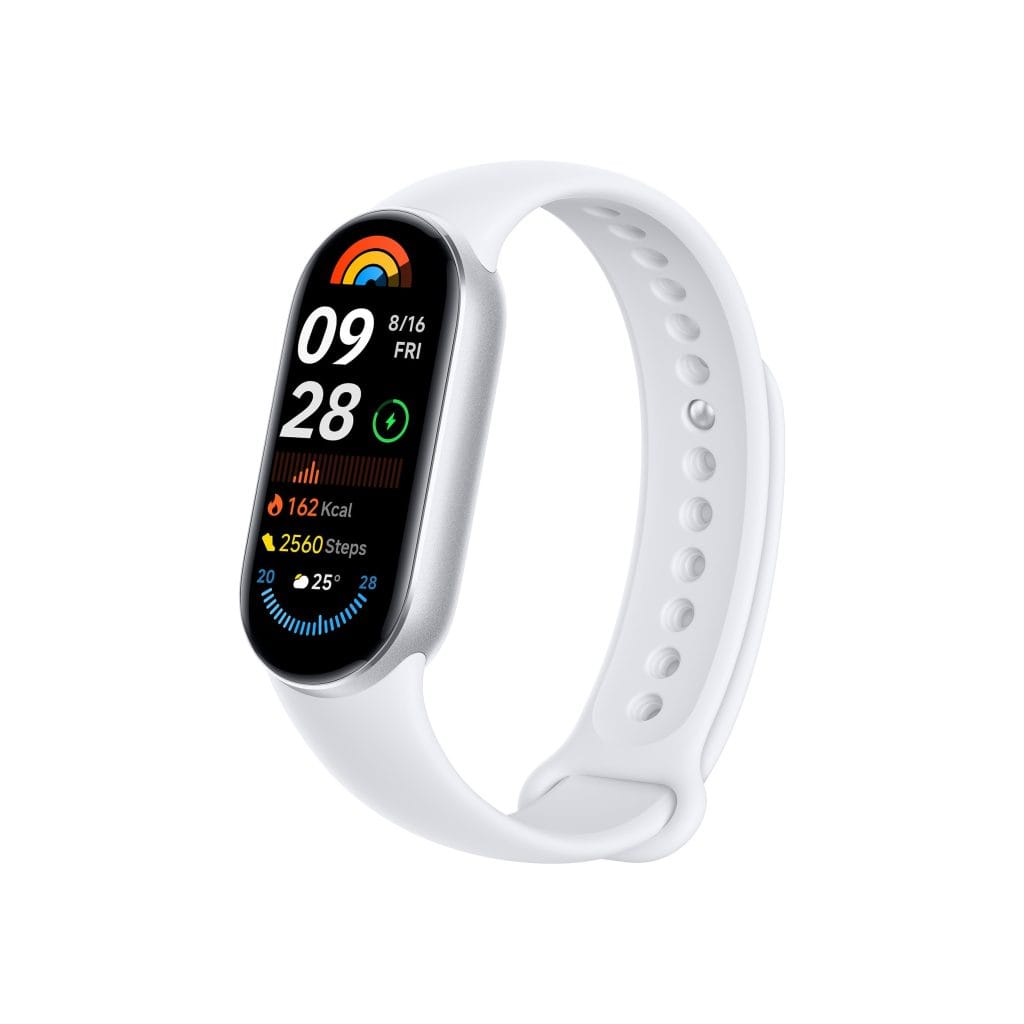
Summary: Affordable yet effective, with heart rate, SpO₂, and sleep tracking.
Pros
- Extremely affordable
- Lightweight design
- Reliable basics
Cons
- Limited app ecosystem
- Less accurate during intense workouts
Pricing: From $49
When to pick: Beginners or budget-conscious users.
When to skip: If you need high-end features.
Best Advanced Metrics: Garmin Fenix 8
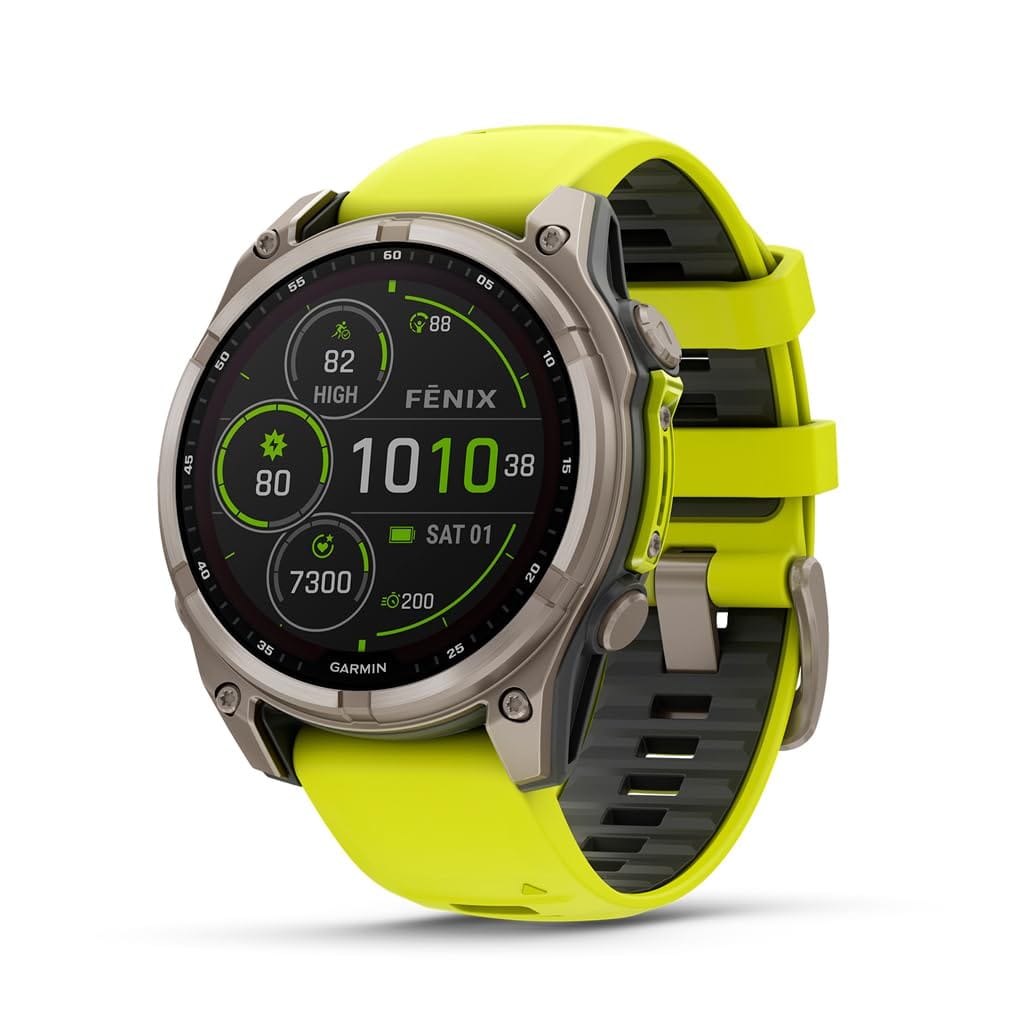
Summary: Built for athletes with VO₂ max, GPS, and performance readiness scores.
Pros
- Rugged build
- Advanced metrics
- Long battery life (≈14 days)
Cons
- Bulky design
- High price
Pricing: From $1199
When to pick: Triathletes, hikers, and outdoor explorers.
When to skip: If you prefer slim, everyday wearables.
Best for Gym Training: Whoop 5.0
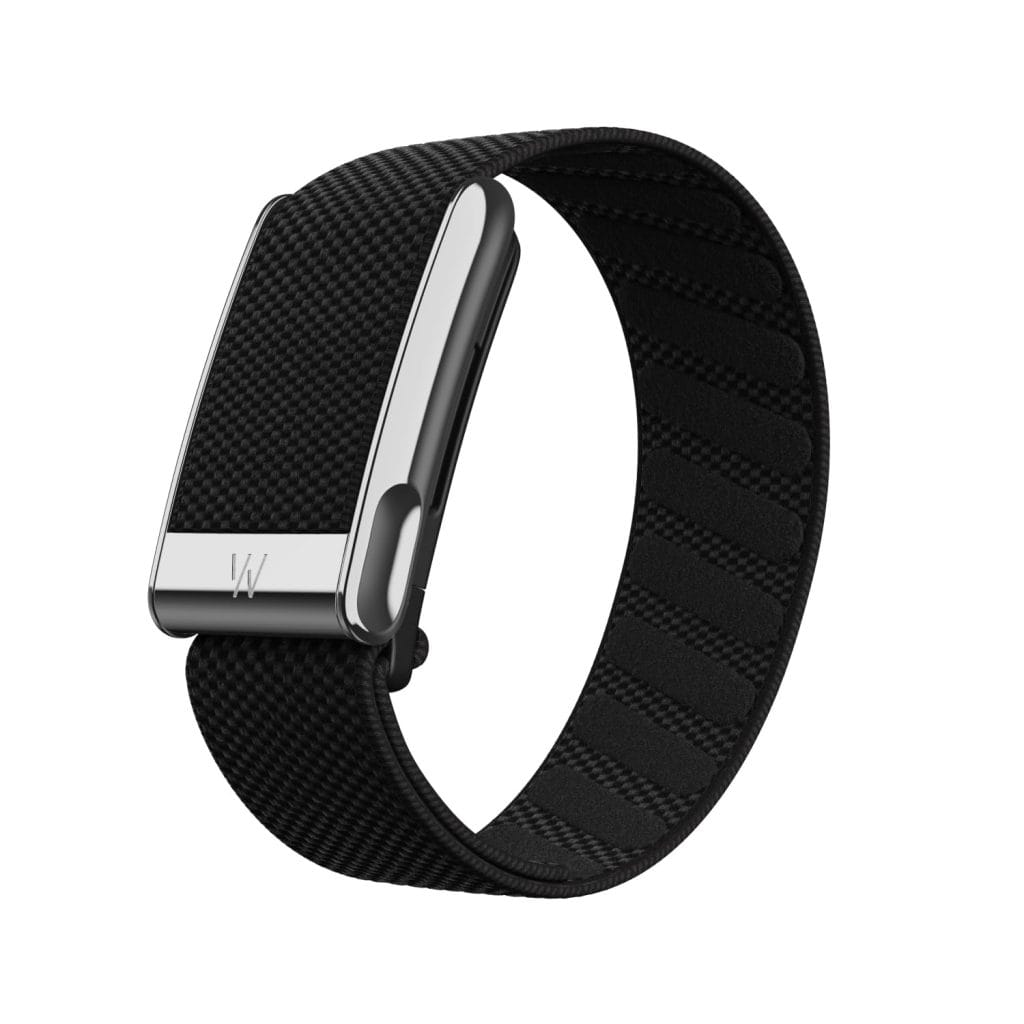
Summary: Subscription-based tracker focusing on recovery and strain scores.
Pros
- No screen, distraction-free
- Excellent recovery insights
- Continuous heart rate monitoring
Cons
- Requires subscription
- No built-in GPS
Pricing: From $359
AI Skin Analysis Free: Top Tools & How to Get Started (2025)
Comparison Table
| Tracker | Best For | Battery | Price* | Key Features |
| Apple Watch Series 10 | Overall | 2 days | $399 | ECG, SpO₂, AI coaching |
| Xiaomi Mi Band 9 | Budget | 10 days | $59 | Heart rate, sleep, SpO₂ |
| Garmin Fenix 8 | Advanced metrics | 14 days | $699 | GPS, VO₂ max, rugged build |
| Whoop 5.0 | Gym & recovery | 5 days | $30/mo | Recovery/strain, HR |
| Oura Ring Gen 4 | Sleep tracking | 7 days | $349 | Sleep staging, readiness score |
| Withings ScanWatch Horizon | Hybrid style | 30 days | $499 | Analog + digital health data |
*Prices subject to change
5 Practical Rules for Choosing a Fitness Tracker
- Define your goal (gym, sleep, running, general health).
- Check battery life and charging style.
- Match the device with your phone ecosystem.
- Evaluate subscription vs. one-time cost.
- Confirm accuracy through credible reviews.
Best SaaS Tools for Small Businesses 2025
Methodology & Sources
We assessed devices based on:
- Accuracy in heart rate and GPS (tested reviews, DC Rainmaker)
- Usability for gym and daily life
- App integrations and ecosystem
- Value for price
Sources:
- Statista – Wearables market data
- Mayo Clinic – Heart rate monitoring benefits
- CDC – Physical activity guidelines
Key Takeaways
- Fitness trackers are more accurate and versatile in 2025.
- Apple and Garmin lead for features, but Xiaomi dominates budget.
- Recovery-focused tools like Whoop are trending.
- Sleep and stress tracking are now standard.
- Pick based on your health goal, not brand hype.
FAQs
Q: Are fitness trackers accurate?
A: Most premium trackers are accurate for heart rate and steps.
Q: Do they replace medical devices?
A: No. They complement but don’t replace professional diagnosis.
Q: How long do fitness trackers last?
A: 2–5 years depending on usage and updates.
Q: Can I use them without a phone?
A: Some, like Garmin, work independently. Others rely on apps.
Q: Which tracker is best for beginners?
A: Xiaomi Mi Band or Fitbit Inspire 4 are great starting points.
Conclusion + CTA
The right fitness tracker balances health insights, style, and budget. Explore our curated picks on Amazon to find your next companion in wellness.
Affiliate Disclosure
This article contains affiliate links. We may earn a commission if you buy through our links — at no extra cost to you.


